Loose Leaf vs Tea Bags — Why Whole Leaf Still Matt
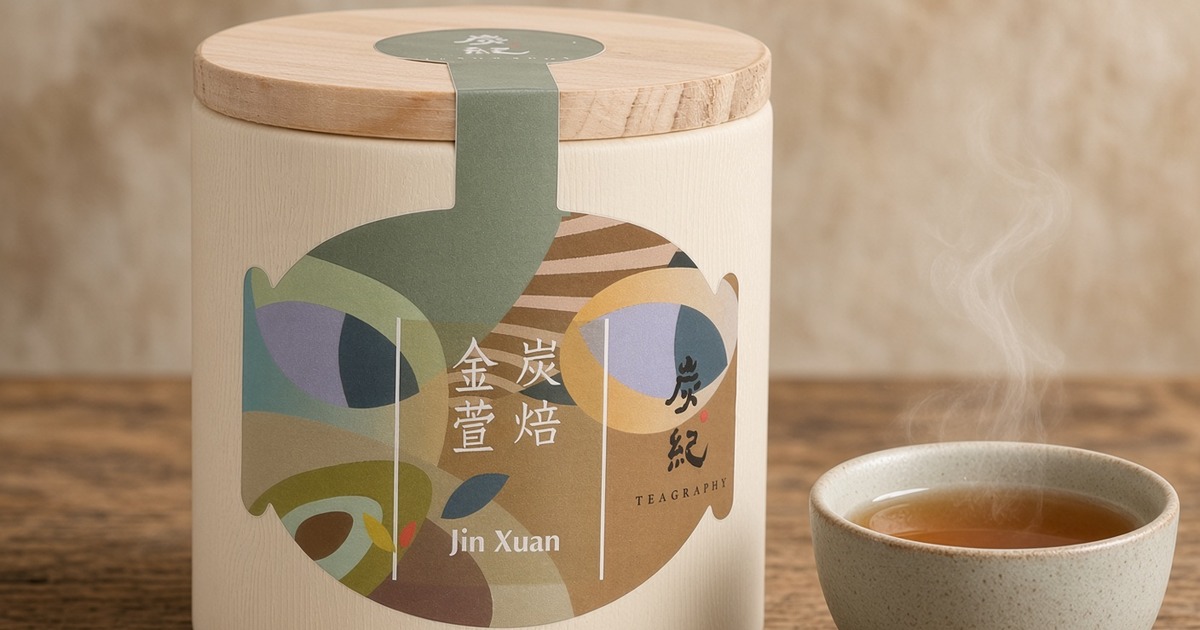
- Loose-leaf and tea bags can both hold real Taiwanese oolong; what matters is whether the leaf stays whole and how it was roasted—not the format alone.
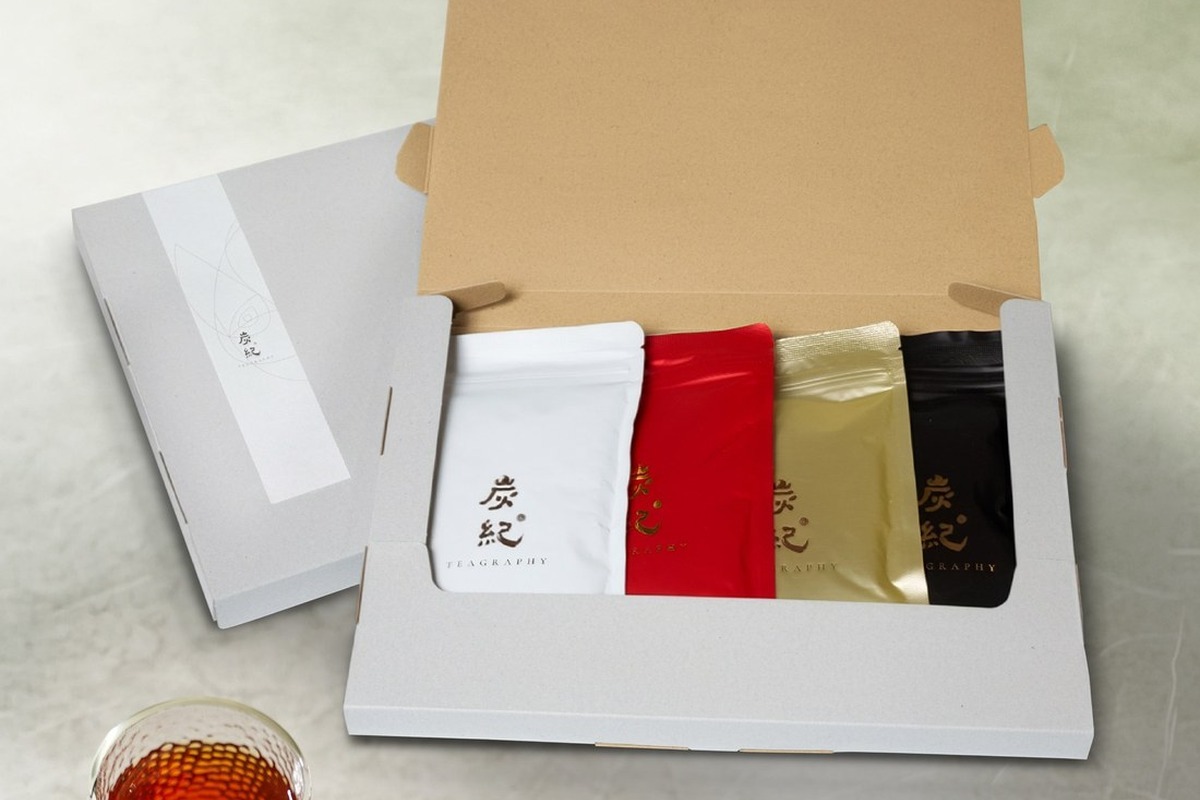
- Teagraphy’s English shop sells whole-leaf tea grown and packed at source, including nitrogen-flushed sachets without a filter bag and Four Seasons tea bags.
- Loose leaf lets you watch rolled Taiwanese leaves unfurl across several infusions.
- Tea bags trade weighing and rinsing for speed while still starting from charcoal-roasted leaf.
- Choose loose leaf for ritual and multiple steeps; choose bags for a clean cup at the end of a busy day.
Loose leaf vs tea bags is less a fight than a choice of pace. Both can carry charcoal-roasted Taiwanese oolong. What still matters is whether you are drinking whole leaf—leaf that was grown, rolled, and roasted to open in the cup—not the paper wrapper alone.
Whole leaf is the baseline
Teagraphy () is built on longan-charcoal hand roasting in Nantou, Taiwan. On English product pages the brand states plainly: Taiwanese whole leaf tea, grown and packed at source, with no sugar and no flavouring. Cangui Guyun sachets are nitrogen-flushed foil packs of loose leaf (no filter bag)—you tip the leaf into your pot. Four Seasons tea bags exist for the other end of the day: the same craft, portioned for a mug.
Taiwanese processing also matters. Leaves are cloth-rolled and tumbled into the familiar round shape so that, as hot water is poured, they unfurl slowly and can be infused again. That slow opening is hard to fake with broken dust.
What loose leaf gives you
Loose leaf asks for a little attention—a pot or gaiwan, hot water, and time. For Teagraphy’s Cangui Guyun range, the published guide is roughly 95100°C · 300 ml · 6–7 minutes. Most people cut the steep short; the returning sweetness arrives late. In return you see the leaf, smell the empty cup’s longan-charcoal sweetness, and often get more than one infusion from the same basket of leaf.
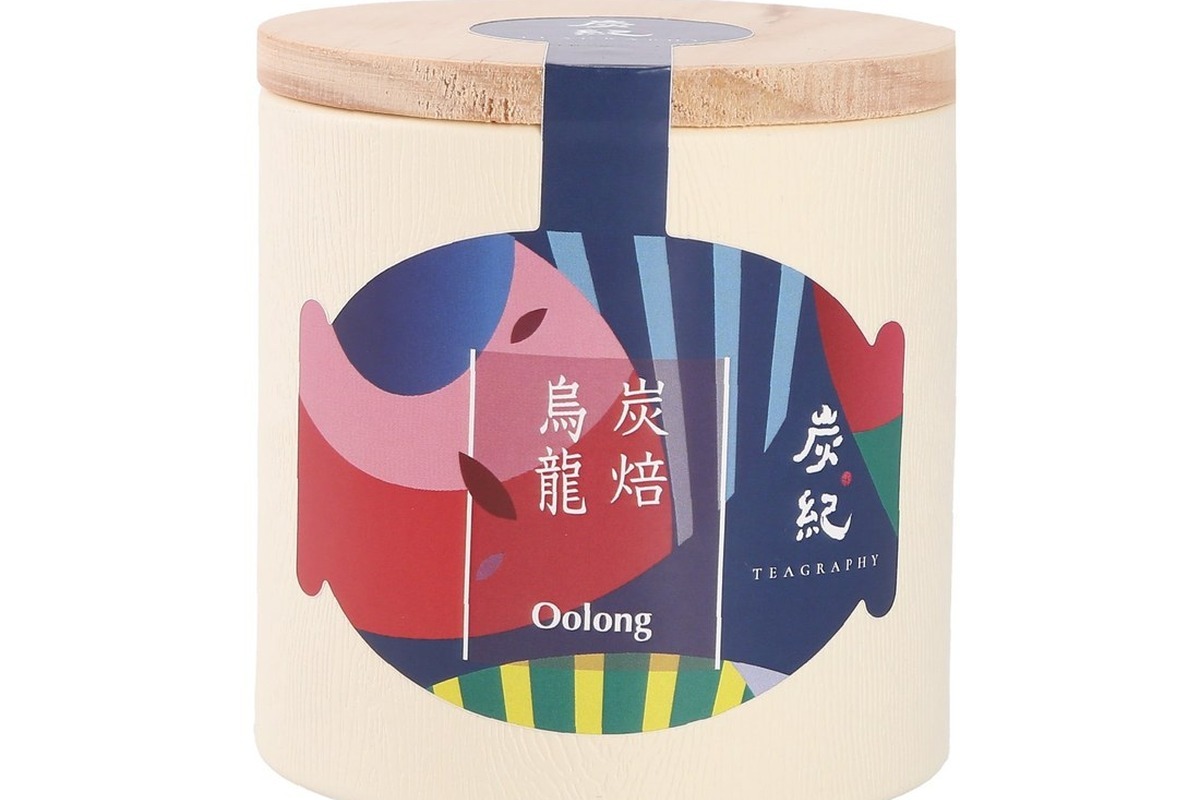
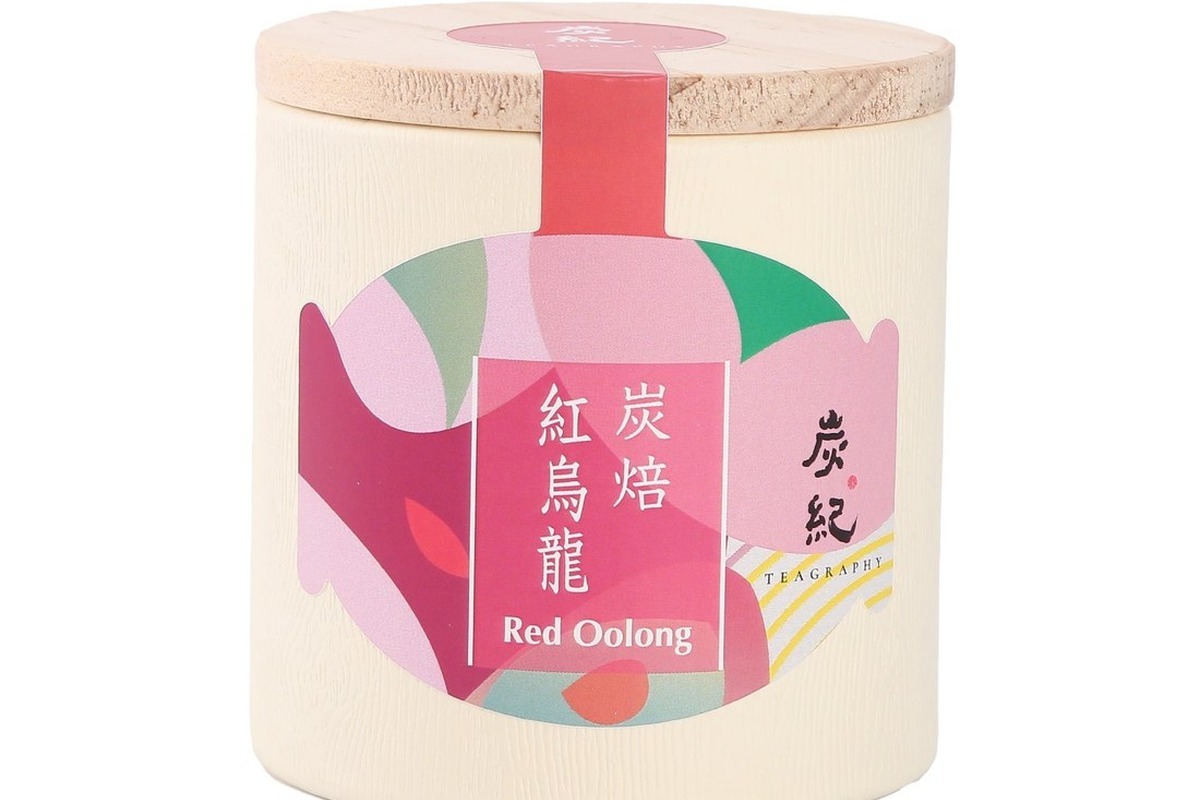
Fifty-gram cans of the Four Seasons Tea Gathering (Si Ji Chun, Red Oolong, Jin Xuan, Oolong) are the everyday loose-leaf path: open, scoop, reseal, and keep in a cool, dry place.
What tea bags are for
Tea bags are not a lesser philosophy—they are a different schedule. Drop one bag, pour hot water, wait a short steep, lift. On the Japanese shop the Four Seasons tea-bag guide is explicit for hot brew: one bag 250 ml · 100°C about 2 minutes (adjust to taste). Cold brew uses the same bag with 250 ml water for about five hours in the fridge or two hours at room temperature.
That is why bags suit the desk drawer and the end of the day. You still start from charcoal-roasted oolong; you simply skip the scales.
How to choose without overthinking
- Choose loose leaf when you want ritual, multiple steeps, and to watch rolled leaf open.
- Choose tea bags when you want one clean cup with almost no setup.
- Keep both if your week mixes slow mornings with late finishes—cans for weekends, bags for weeknights.
Either way, look for whole leaf, origin packing, and a roast story you can verify. Teagraphy’s English shop lists both formats side by side; the charcoal craft notes explain why the fire still comes first.
Shop loose-leaf and tea-bag oolong · Read the charcoal-roasting craft